How to Repair Hair Damaged by Bleaching: 12 Expert-Approved Tips
Don’t get us wrong — we love dramatic hair transformations just as much as you do. But along with a bold new look can come unexpected challenges, especially when it involves bleaching. Whether you’re looking to add a few highlights to already light hair or make a complete transformation from brunette to blonde, the process can be lengthy and sometimes damaging to your hair’s structure.
Fortunately, such changes are rarely irreversible. Modern products and care methods can help restore your hair’s health even after a mishap.
We’ve gathered expert tips on how to repair hair after bleaching, so your transformation process brings joy, not stress.
Discover 12 effective ways to restore your hair after a bleaching mishap.
1. Consult a professional
If your hair has suffered after bleaching—whether it was done at a salon or as a DIY experiment—there’s no need to panic. The first and most important step is to see a professional as soon as possible. Any attempts to fix the situation on your own or to apply more product can only make things worse. Bleaching is an extremely delicate and sometimes intimidating process, so it should only be handled by an experienced stylist. A professional can objectively assess the condition of your hair and develop a safe recovery plan. Experienced hairdressers have seen it all and know how to correct color even in complicated cases, so your hair will be in good hands.
2. Avoid quick fixes
When your hair is newly damaged, don’t try to “fix” it immediately. Any DIY experiments are likely to make the situation worse. It’s better to leave your hair as it is so your colorist can assess it and work without unnecessary complications. Avoid touching it again and stay away from YouTube tutorials! Instead, carefully research information and find an experienced colorist in your area who can help you achieve your desired color while preserving your hair’s health, texture, and length.
3. Be patient
It’s very important to give your hair time to recover. It’s easy to say, but much harder to put into practice. In fact, time is the only real way to restore your hair’s health — and this can sometimes take several months to a year. Patience is especially crucial during lightening: rushing this process often leads to serious damage.
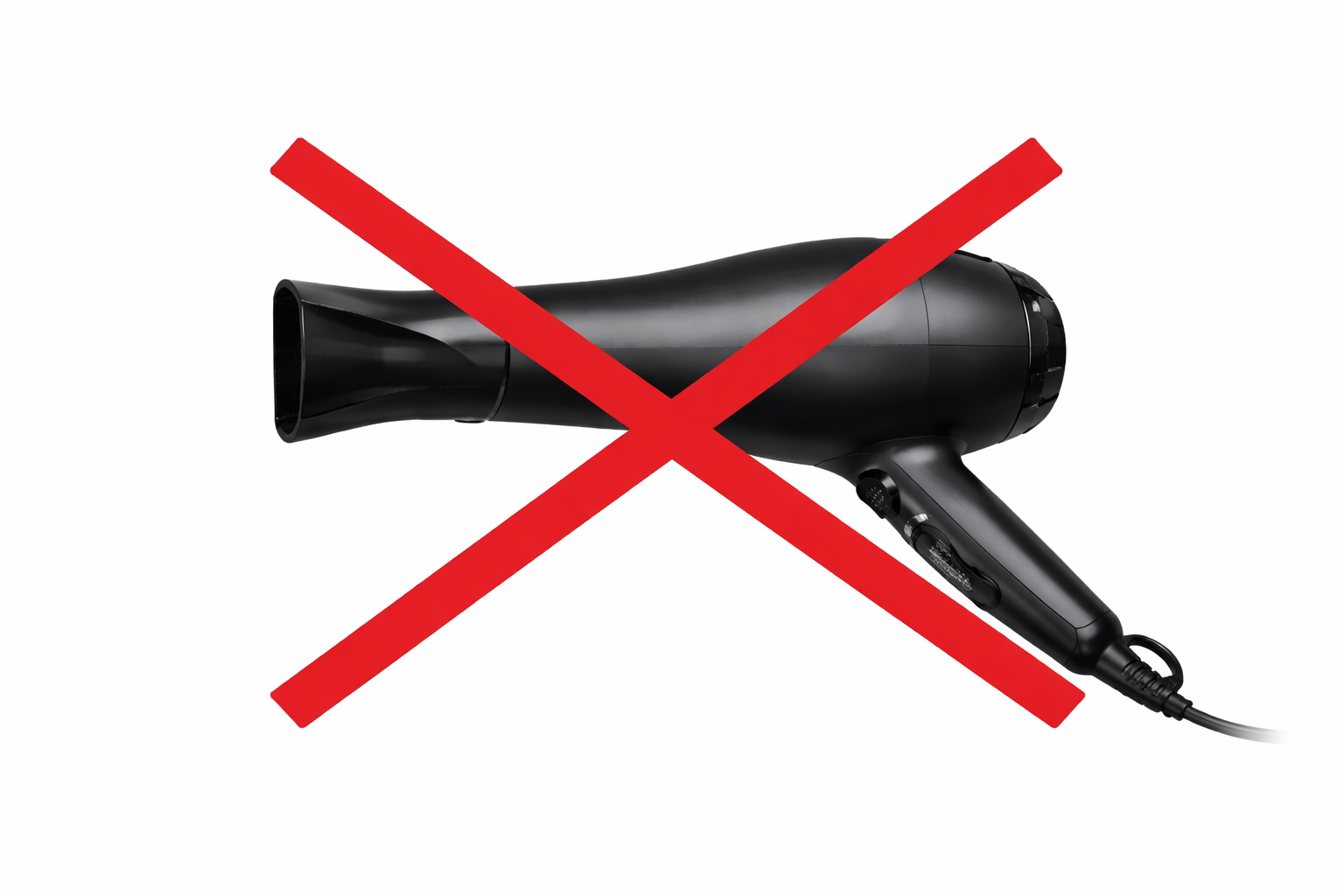
4. Avoid heat exposure . Whenever possible, avoid heat exposure entirely: this includes hair dryers, hot styling tools, and even excessively hot showers. Until your hair becomes healthier, opt for gentle, heat-free styling methods — for example, loose braids for natural waves or heatless rollers.
5. Use specialized hair restoration products
Choose products that repair broken hair bonds, protect the cuticle, and deeply hydrate your hair. These products are especially effective for severely damaged hair after chemical treatments, coloring, or bleaching, as well as for weak and brittle strands. When selecting at-home care, look for labels such as “nourishing,” “strengthening,” or “restorative.” Don’t forget to trim the ends regularly — this will help restore your hair’s health and shine.
6. Use a gentle shampoo
Until your hair regains its health, treat it with extra care. Wet hair is the most vulnerable and prone to damage, so choosing the right shampoo is crucial. Harsh or overly cleansing formulas can worsen the problem. Opt for shampoos that deeply moisturize and restore your hair, helping it regain strength and shine.
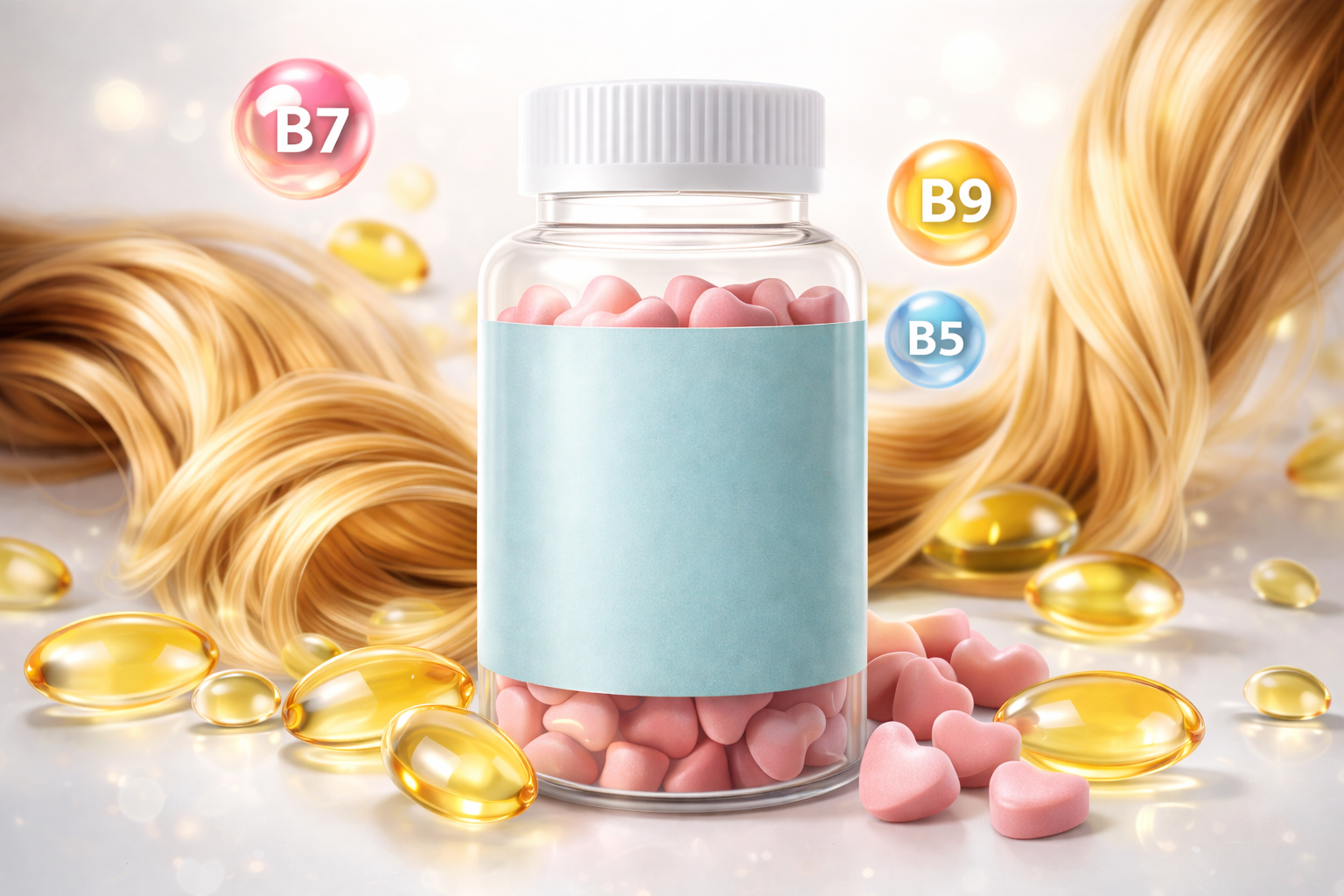
7. Take vitamins . Nutrition plays a key role in hair health, but vitamins that act directly on the hair when applied topically can also provide noticeable benefits. Using nourishing shampoos, conditioners, and hair care products enriched with vitamins and antioxidants helps maintain hair in good condition and repair damaged or bleached strands. Equally important is ensuring your body receives the necessary vitamins and minerals daily—whether through a balanced diet or supplements—so that hair can fully recover and stay healthy.
8. Apply a nourishing serum
Hair serums act as a true protective shield and become an indispensable tool in restoring hair damaged by bleaching. Choose serums with strengthening, nourishing, and restorative properties. For maximum results, use a comprehensive care routine: shampoo, conditioner, and serum from the same line, specifically designed to work together and harmoniously combine their ingredients.
9. Use a soft brush on wet hair
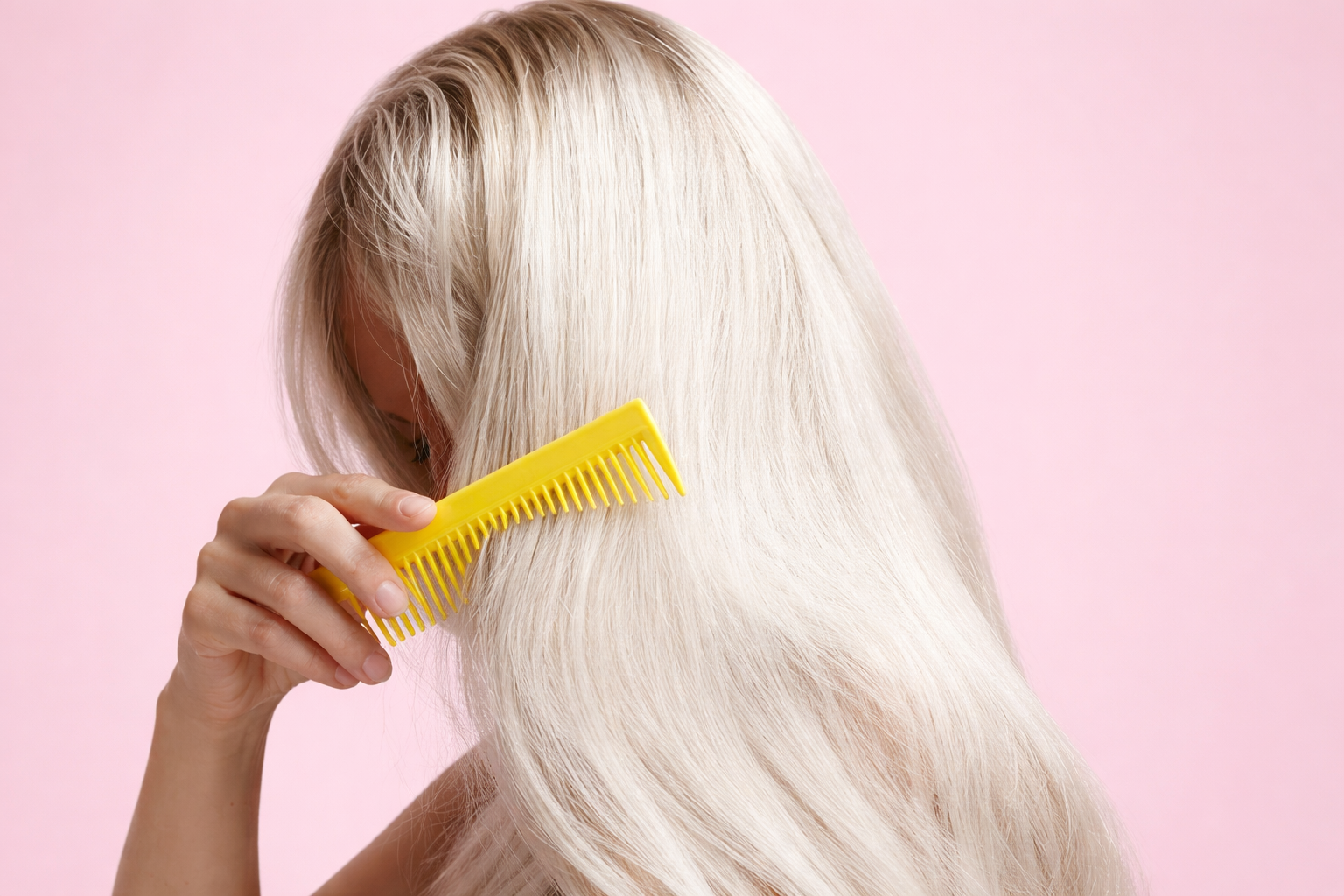
Did you know that hair is especially vulnerable when wet? Damp and damaged strands can break easily when brushed. To prevent this, always apply conditioner after shampoo—it will detangle your hair, making it soft and smooth. If you need to brush your hair while it’s wet, choose special brushes with soft silicone bristles, such as those from Global Fashion, which gently detangle hair without causing unnecessary tension or damage.
10. Use hair masks and oils
Once your hair has started to recover, it’s especially important to focus on hydration. Apply nourishing masks once a week, give your hair a break from hot tools, and, if possible, increase the intervals between washes so that natural oils have time to distribute evenly along the length. If your hair remains dry and brittle, add care with a topical oil: apply it to the ends before bedtime or a workout—this allows nutrients to penetrate deeper and ensures maximum effect.
11. Continue caring for your hair even after damage
Damaged hair becomes brittle, dry, prone to split ends and thinning. To restore its health and shine, it is important to choose the most gentle care possible. Create an individual care routine: find the perfect pair of shampoo and conditioner, as well as a mask that addresses your specific hair problems. Follow this routine consistently for at least six months, avoiding the use of a hair dryer and straightening iron. Complement your routine with a light leave-in product — it will give your hair natural volume, shine and manageability, making styling easier and leaving your hair looking healthy and well-groomed.
12. Wash your hair with warm water
If your hair is heavily bleached, there is a high chance that it is very dry. Any heat — whether from a hair dryer, flat iron, or hot water — removes moisture from the hair, which it especially lacks after bleaching. To help restore hair health, wash your hair with warm water: this helps “seal” the cuticle, reduce frizz and treat the scalp more gently. The result can be noticeable even after the first wash.