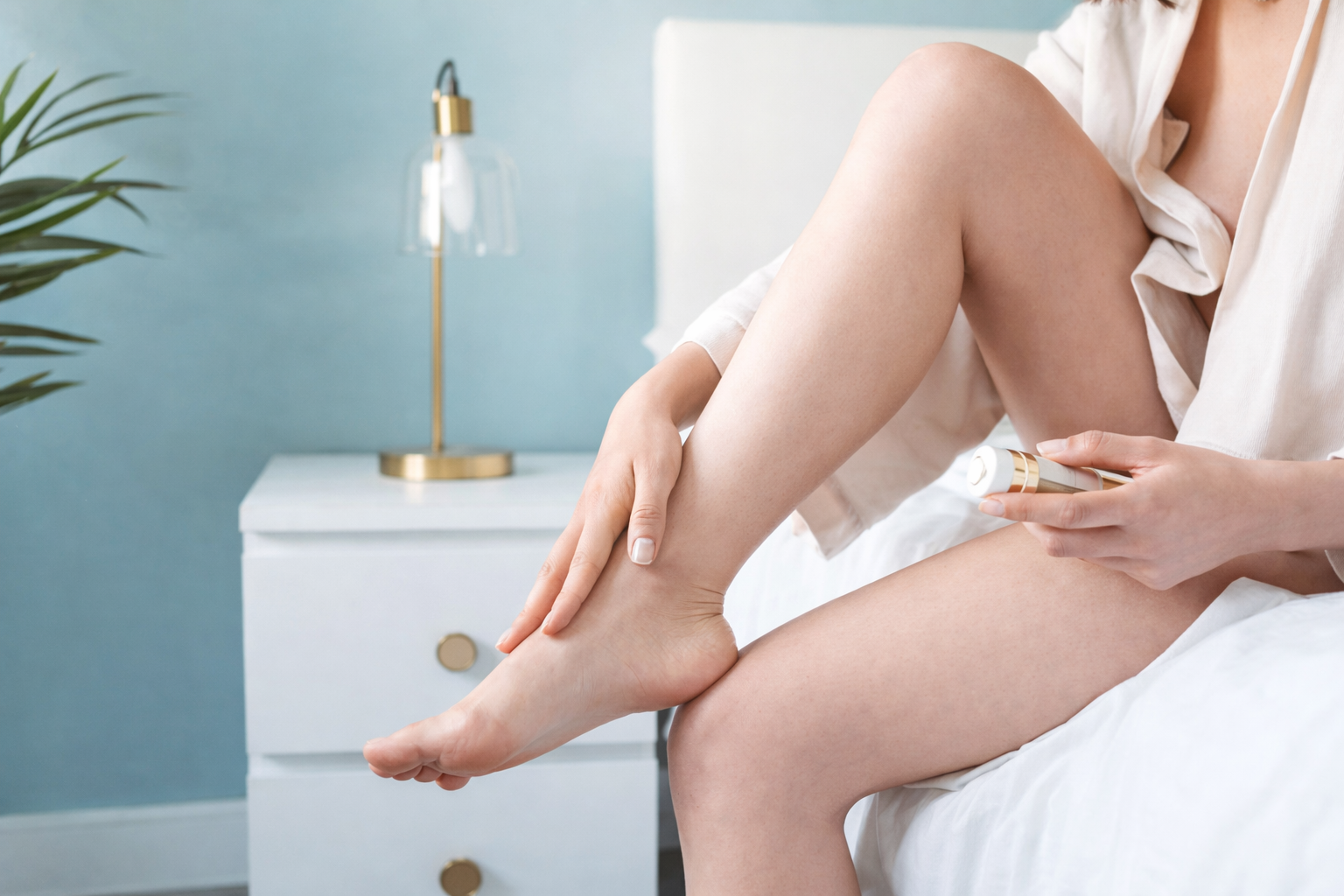
If you prefer to remove body hair, a razor has likely been your beauty ally at least once. This quick and accessible method does give instant smoothness, but it also has a downside — the annoying itch that often comes as a “price” for silky skin.
During shaving, the skin and hair follicles experience micro-stress. Cut hairs continue to grow and can sometimes become ingrown, curling beneath the skin.
This can lead to itching, redness, and painful bumps. Discomfort is also often linked to improper shaving technique, folliculitis, or so-called razor irritation.
That’s why proper skin preparation and thoughtful post-shave care are key to preventing irritation.
This can lead to itching, redness, and painful bumps. Discomfort is also often linked to improper shaving technique, folliculitis, or so-called razor irritation.
That’s why proper skin preparation and thoughtful post-shave care are key to preventing irritation.
Fortunately, it is entirely possible to reduce itching and keep skin perfectly smooth — you just need to know a few professional tricks.
Below, you’ll find 14 effective tips to make shaving as comfortable as possible and minimize unpleasant side effects.
1. Use fragrance-free shaving cream
Post-shave itching is often caused by chemical or mechanical irritation and is especially common in people with more pronounced hair follicles. If there is a small excess of skin around the follicle opening, debris accumulates around it rather than on the surface. As a result, shaving can irritate these tiny skin “bumps” and cause discomfort.
This reaction is more common in people with sensitive skin, so care should be especially gentle. Fragrance additives often trigger irritation or even allergic reactions — ranging from mild to more pronounced. Therefore, it’s better to choose fragrance-free products.
2. Replace your razor blade regularly
Most razor blades are designed for no more than two weeks of daily use. Many of us sometimes skip a day or two, or simply forget to change the blade on time. Using a dull blade increases the risk of skin irritation, razor burn, and even infections, as it cuts hairs less efficiently and leaves micro-cuts. Regularly replacing the blade helps achieve the smoothest and most comfortable shave while keeping skin healthy and well-groomed.
3. Avoid friction on the skin
Residues of shaving foam or gel left on the skin can cause redness, dryness, and itching. Therefore, it’s important to rinse off the product thoroughly before stepping out of the shower. After showering or bathing, gently pat your skin dry with a towel instead of rubbing, as friction can worsen irritation.
4. Avoid strong active ingredients
Antibacterial soaps are effective against bacteria but can strongly dry out the skin and strip it of natural moisture. Moisturizing versions with natural and essential oils help prevent odor while keeping skin soft and comfortable. Cream-based products are generally gentler and contain moisturizing and restorative components, whereas liquid roll-ons and spray deodorants often include alcohol among the top ingredients, which can dry the skin.
5. Prefer low-alcohol or alcohol-free products
High alcohol content in shaving gels or creams, as well as after-shave lotions, can dry out the skin, causing itching and tightness. To avoid this, choose products with minimal or no alcohol. Check the ingredient list: ingredients are listed in descending order of concentration. Products with low alcohol content usually list it closer to the end.
6. Never skip pre- and post-shave care
Shaving exfoliates the skin, so it’s crucial to provide proper hydration afterward. Without it, the skin becomes dry, which often causes itching and discomfort.
For extra care, apply a few drops of oil before shaving under your cream or gel. It moisturizes the skin and creates a protective barrier, allowing the razor to glide over the skin rather than tugging hairs.
Finish with a moisturizing lotion, oil, or balm after shaving. This keeps skin soft, smooth, and healthy-looking. Without hydration, the skin dries out quickly, begins to flake, and itching returns.
For extra care, apply a few drops of oil before shaving under your cream or gel. It moisturizes the skin and creates a protective barrier, allowing the razor to glide over the skin rather than tugging hairs.
Finish with a moisturizing lotion, oil, or balm after shaving. This keeps skin soft, smooth, and healthy-looking. Without hydration, the skin dries out quickly, begins to flake, and itching returns.
7. Choose nourishing ingredients
While avoiding irritating or dehydrating additives is important, it’s equally essential to know which components benefit the skin. Opt for moisturizing and soothing ingredients — natural oils, vitamin E, and glycerin — instead of dehydrating or irritating additives.
8. Use warm, not hot, water
Hot water may feel nice in the bath or shower, but it dehydrates the skin and disrupts its natural protective barrier. Warm water is preferable. Hot water during a shower or shave reduces moisture levels in the skin, causing dryness and irritation. “Take a warm shower — this keeps skin soft and hydrated.”
9. Avoid the sun
Hot water can cause irritation and itching, so it’s no surprise that hot weather and direct sunlight have a similar effect. Sun exposure — whether in a tanning bed or at the beach — can lead to painful burns, dryness, itching, and flaking. To reduce leg itch, it’s best to avoid excessive sun and high temperatures.
10. Wear loose clothing after shaving
Avoid tight clothing after shaving, as friction between shaved skin and fabric can cause irritation. Hair partly protects the skin from friction, so once removed, the skin becomes more sensitive. This is especially relevant when smooth thighs rub together while wearing a skirt without tights — it can be uncomfortable.
11. Soothe the skin with aloe vera
Aloe vera gel not only calms the skin but also effectively relieves burning. The best option is to use fresh gel directly from the plant. If that’s not possible, choose products that truly contain aloe vera, not just green coloring.
12. Relieve itching with over-the-counter hydrocortisone
Another effective way to calm the skin is using hydrocortisone. Over-the-counter hydrocortisone cream works quickly: it moisturizes the skin and contains an active ingredient that reduces itching rapidly. However, be careful: do not use hydrocortisone on thin-skinned areas like the groin, as it may cause discoloration or stretch marks.
13. Enjoy the gentleness of an oatmeal bath
If your legs or bikini area especially need hydration, try a warm oatmeal bath — it’s guaranteed to bring relief. Oat baths are prescribed for children with diaper rash and people with chickenpox for a reason: oatmeal has anti-inflammatory properties, soothes the skin, deeply moisturizes, and reduces irritation.
14. Know when to see a doctor
As with any skin or health issue, it’s important to monitor whether it persists or worsens over time. Intensifying symptoms may signal a more serious condition. Pay attention to the appearance of pustules or painful red bumps — this could indicate a bacterial infection requiring professional consultation.