
You’re probably familiar with vitamin A as one of the key ingredients in skincare products. In its active forms — retinol or retinoids — it is known for its ability to accelerate cell turnover, smooth fine lines, and give the skin a healthy glow. But have you ever wondered whether vitamin A can also benefit your hair?
Nowadays, ingredients commonly found in skincare — such as vitamin C, hyaluronic acid, and glycerin — are increasingly appearing in haircare products. However, their effects on hair can be quite different, as hair and skin belong to entirely different categories of beauty.
Our new article explores the role of vitamin A in haircare, how to use it correctly, and who can benefit from it the most. Keep reading to get the full picture and make an informed choice for your haircare routine.
What is Vitamin A?
Vitamin A is one of the key nutrients essential for the body. It plays an important role in supporting the immune system, maintaining clear vision, normal growth and development, and the health of organs, including the skin and teeth. Vitamin A is known by different names: for example, carotenoids — natural antioxidants that give carrots their bright color — are converted into vitamin A in the body. In cosmetics and skincare, this vitamin is most commonly found under the names retinol or retinoids.
A deficiency of vitamin A can cause various health problems. For hair, this often manifests as a dry scalp and brittle strands, while the skin may become dull and dehydrated. Maintaining optimal levels of vitamin A helps keep hair strong and healthy, and skin moisturized and radiant.
A deficiency of vitamin A can cause various health problems. For hair, this often manifests as a dry scalp and brittle strands, while the skin may become dull and dehydrated. Maintaining optimal levels of vitamin A helps keep hair strong and healthy, and skin moisturized and radiant.
Benefits of Vitamin A for Hair
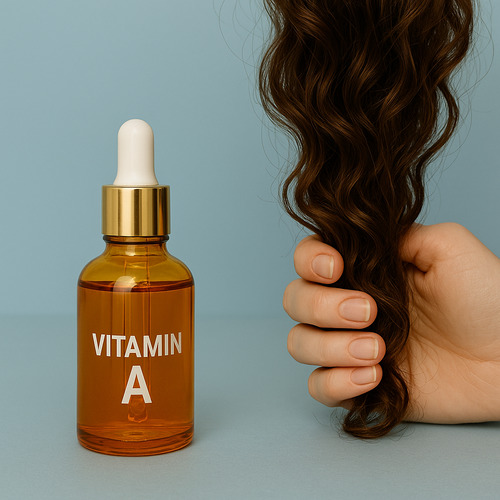
Stimulates Hair Growth
Vitamin A, in moderate amounts, promotes the growth of strong and healthy hair. However, excessive intake can lead to hair loss, so it’s important to maintain the right balance. Additionally, vitamin A plays a key role in cell renewal, which is essential for maintaining healthy hair follicles and stimulating the growth of strong and resilient hair.
Strengthens Scalp Health
Hair health is directly linked to the condition of the scalp. Hair growth starts at the scalp, and its condition determines the strength, shine, and beauty of your strands. Vitamin A helps regulate sebum production, keeping the scalp moisturized and preventing dryness and flaking, which can slow down hair growth.
Protects Against Breakage
It’s impossible to grow long hair if it constantly breaks. Vitamin A is a true ally for your locks. It strengthens the hair, making it more resistant to damage and breakage, while also supporting the health of the scalp and hair follicles.
Hair Strengthening
Even if your hair doesn’t break easily, it’s important to maintain its maximum strength. Vitamin A has antioxidant properties that protect hair follicles from oxidative stress. This helps hair look healthy and reduces the risk of breakage. With sufficient vitamin A intake, hair becomes softer, shinier, and well-groomed, gaining natural radiance and strength.
What to Pay Attention To
It is important for everyone to get an adequate amount of vitamin A, but excessive intake is not suitable for everyone and can be harmful to the body. Nevertheless, in some cases, vitamin A can be a beneficial addition to hair care.
If your hair appears brittle, weak, or thin, vitamin A may have a positive effect. It is especially helpful for people with a dry scalp, fragile hair, hair thinning due to nutrient deficiencies, or an actual vitamin A deficiency.
Although vitamin A can stimulate hair growth, caution is advised if hair loss is already occurring. Experts do not recommend taking vitamin A supplements without consulting a specialist, as an excess can disrupt the natural hair growth cycle and worsen the problem.
Special care should be taken during pregnancy: high doses of vitamin A can negatively affect fetal development. Therefore, if supplementation is necessary, it is essential to consult a doctor.
How to Properly Use Vitamin A
There are several ways to increase your intake of vitamin A. While it’s nice to try new foods, experts recommend prioritizing natural sources of this nutrient. For optimal results, focus on a variety of vitamin A–rich foods such as carrots, sweet potatoes, spinach, and eggs — these help maintain vitamin A levels naturally.
The next level is topical application of vitamin A. Some hair oils and serums contain safe concentrations of its derivatives, such as retinol or retinoids, making them suitable for different scalp types.
Finally, vitamin A can be taken as a supplement. It is important to follow the recommended daily allowance — usually 700–900 µg for adults — and consult with your doctor to see if this option is right for you. To enhance the effect, vitamin A can be combined with other beneficial nutrients, such as vitamin E or zinc, which support overall scalp and hair health.
Before starting any new supplements, be sure to consult with your doctor.
⸻
Vitamin A is an essential nutrient that plays a key role in the health of hair and scalp. It helps make hair soft and shiny, promotes hair growth, and improves scalp condition. To maintain optimal levels of vitamin A, include foods rich in this nutrient in your diet, use hair care products containing it, or take it as a supplement. It is important not to exceed the recommended dose, as an excess of vitamin A can negatively affect your health. Before taking supplements, it is advisable to consult a doctor to ensure they are safe for you.
Read also: How to Strengthen Your Hair: 6 Best Antioxidants Approved by Dermatologists
Read also: How to Strengthen Your Hair: 6 Best Antioxidants Approved by Dermatologists