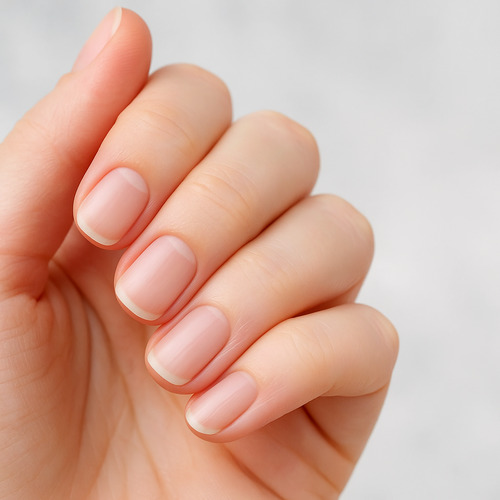
Healthy nails are not only beautiful but also a reflection of your overall health. Their appearance can indicate the quality of your nutrition, your self-care habits, and even the condition of your internal organs. How can you tell if your nails are truly healthy? Pay attention to five key signs of healthy nails.
Smooth surface, free of irregularities
When you run your finger over a nail, the surface should feel smooth, without bumps or ridges. Vertical lines—harmless streaks running from the cuticle to the tip of the nail—are common and usually become more noticeable with age. In younger people, they can appear due to frequent use of nail polish remover, which can dehydrate the nail plate, or from excessive exposure to water.
Horizontal ridges, however, occur when nail growth is disrupted and may indicate the influence of factors negatively affecting nail health, such as psoriasis. Nails can also become rough, like sandpaper, due to UV damage or frequent handwashing.
Nails have a moderate shape, without a pronounced curve
Nails can sometimes curve upward or downward, although ideally they should remain straight. If the nail plate takes on a spoon-like shape, this may indicate serious conditions such as psoriasis, eczema, or arthritis. Deformations can also result from injuries, vitamin and mineral deficiencies, or frequent exposure to harsh chemicals, such as acetone.
Nails have an even and natural color
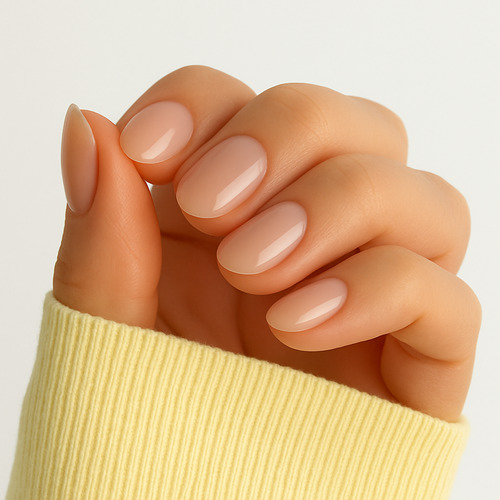
White spots on the nails, known as leukonychia, should not appear. They are usually harmless and most often result from repeated mechanical trauma. However, in some cases, white spots may indicate an iron deficiency or a lack of minerals such as calcium, selenium, and zinc.
Dermatologists also warn that pale nails can be a sign of more serious issues, including malnutrition, anemia, liver disease, or heart failure. If you notice that your nails are losing their natural color, it is recommended to consult a doctor for a check-up.
Yellowing of the nails is most often associated with frequent use of colored nail polish. The pigments in the polish bind to keratin, and the solvents can enhance this effect, allowing the coloring agents to penetrate deeper into the nail plate.
In addition, nails may turn yellow due to smoking or regular consumption of foods rich in beta-carotene, such as carrots, pumpkin, sweet peppers, spinach, tomatoes, or persimmons.
Opaque lunula, without a red tint
The lunula is a small, opaque area at the base of the nail, located near the proximal nail fold. The appearance of a red lunula may indicate various health issues, including rheumatoid arthritis, liver failure, cirrhosis, heart failure, systemic lupus erythematosus, or chronic obstructive pulmonary disease.
No dark streaks on the nails
If you notice dark streaks on your nails, it is important to determine the cause of their appearance. Such signs can indicate a range of conditions — from harmless to serious. For example, a black or brown streak on a nail can be a warning sign of melanoma, a dangerous form of skin cancer.
How to Keep Your Nails Healthy
Are your nails not in the best condition? Don’t worry — restoring their health and beauty is easier than you might think. Pay attention to your diet: include vitamins and minerals such as vitamin D, calcium, iron, vitamin C, biotin, and zinc — they strengthen the nail plate and promote healthy growth. Take breaks between manicures to protect your nails and skin from drying out due to nail polish removers. For daily care, use cuticle oil and a moisturizing hand cream — this will keep your nails looking well-groomed and healthy.
Try the Global Fashion Cuticle Oil — a luxurious daily treatment that makes your hands graceful and your cuticles healthy.
The Global Fashion Hand Cream with Vitamin E provides your skin with care and hydration, leaving your hands soft, smooth, and silky.